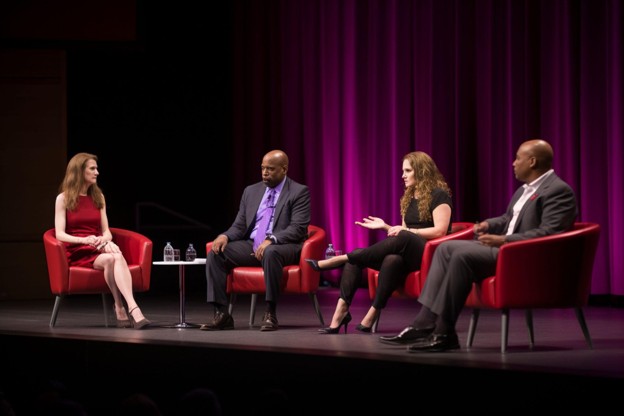
Communities face challenges that often take years, not months, to solve, and D’Andre Lampkin explains that the most meaningful progress usually comes from leaders who remain focused on long-term outcomes rather than short-term milestones. While immediate concerns deserve attention, sustainable improvements in education, workforce development, public safety, economic opportunity, and neighborhood revitalization require consistent planning that extends well beyond any single election cycle.
Strong communities are rarely transformed through one initiative or one decision. Instead, lasting progress is typically built through steady collaboration, thoughtful planning, and a willingness to invest in solutions whose greatest benefits may not be visible for many years.
Long-Term Challenges Require Long-Term Thinking
Many of today’s community issues develop over decades.
Examples include:
- Workforce shortages
- Affordable housing concerns
- Infrastructure improvements
- Educational achievement
- Economic development
- Public health initiatives
Because these issues evolve gradually, meaningful solutions often require sustained commitment rather than quick fixes.
Leaders who maintain a long-term perspective are better positioned to build initiatives that continue delivering value as communities grow and change.
Planning Beyond Immediate Results
Public leadership often involves balancing today’s priorities with tomorrow’s opportunities.
While addressing immediate concerns remains important, communities also benefit from planning that considers:
- Population growth
- Future workforce needs
- Economic diversification
- Transportation improvements
- Technology adoption
- Environmental sustainability
Looking beyond current conditions helps communities prepare for future opportunities instead of simply reacting to future challenges.
Building Institutions That Outlast Individuals
Successful communities are supported by strong institutions rather than individual personalities.
These institutions may include:
- Schools
- Nonprofit organizations
- Local businesses
- Community foundations
- Workforce development programs
- Civic organizations
When leaders invest in strengthening these institutions, they create systems that continue serving residents regardless of changes in leadership.
Institutional strength often becomes one of the greatest indicators of long-term community resilience.
Consistency Builds Public Trust
Trust develops gradually through reliable action over time.
Residents often gain confidence when leadership demonstrates:
- Transparency
- Accountability
- Follow-through
- Open communication
- Consistent engagement
Long-term thinking reinforces trust because community members see continued commitment rather than temporary attention focused only on immediate objectives.
Relationships built over years frequently become the foundation for future collaboration.
Investing in Future Generations
Many community investments produce their greatest results years after they begin.
Examples include:
- Early childhood education
- Youth mentorship
- Workforce development
- Leadership programs
- Scholarship initiatives
- Neighborhood revitalization
These efforts may not produce immediate outcomes, but they often strengthen communities for decades.
Thinking beyond short-term timelines encourages investments that benefit future generations as much as current residents.
Economic Growth Takes Time
Strong local economies rarely emerge overnight.
Long-term economic development often depends upon:
- Supporting entrepreneurs
- Attracting employers
- Developing skilled workers
- Improving infrastructure
- Encouraging innovation
These efforts require patience, coordination, and consistent leadership.
Communities that remain committed to long-range economic strategies are often better positioned to adapt to changing industries and workforce demands.
Collaboration Is Essential
No single organization can address every community challenge alone.
Long-term progress frequently depends on partnerships among:
- Local government
- Schools
- Businesses
- Nonprofit organizations
- Faith-based organizations
- Community volunteers
When leaders encourage collaboration instead of competition, communities often discover more comprehensive and sustainable solutions.
Shared responsibility creates stronger outcomes than isolated efforts.
Measuring Success Differently
Some of the most important community improvements cannot be measured immediately.
Long-term success may be reflected in:
- Higher graduation rates
- Stronger workforce participation
- Safer neighborhoods
- Increased civic engagement
- Thriving local businesses
- Improved quality of life
These outcomes develop gradually through years of consistent investment and thoughtful planning.
Communities that focus only on short-term achievements may overlook opportunities to create lasting impact.
Preparing Communities for Change
Every community experiences change.
New technologies, demographic shifts, economic transitions, and evolving workforce needs all influence local priorities.
Forward-thinking leadership encourages communities to prepare by:
- Supporting innovation
- Investing in education
- Strengthening infrastructure
- Encouraging lifelong learning
- Building adaptable organizations
Preparation often reduces disruption while creating new opportunities for future growth.
Listening to Community Priorities
Long-term planning begins with understanding what residents value most.
Community conversations often highlight priorities involving:
- Education
- Public safety
- Economic opportunity
- Affordable housing
- Youth development
- Neighborhood improvement
When these priorities guide planning over many years, communities are better able to align resources with long-term goals rather than responding only to immediate pressures.
Leadership Is About Stewardship
Effective leadership involves caring for a community in ways that create opportunities long after individual projects have been completed.
Stewardship includes:
- Protecting public trust
- Encouraging collaboration
- Supporting future leaders
- Strengthening institutions
- Investing in lasting solutions
This perspective emphasizes leaving communities stronger for future generations rather than focusing solely on short-term accomplishments.
Looking Toward the Future
Communities continue evolving as new challenges and opportunities emerge.
Population growth, technological innovation, workforce transformation, and changing economic conditions will require thoughtful leadership capable of adapting while maintaining a long-term vision.
Planning beyond immediate timelines allows communities to remain resilient while pursuing sustainable progress that benefits residents for years to come.
Final Thoughts
Communities benefit most from leaders who think beyond election cycles because lasting progress rarely happens overnight. Building stronger schools, expanding economic opportunity, developing future leaders, and strengthening local institutions all require patience, collaboration, and sustained commitment.
When leadership focuses on long-term outcomes rather than temporary milestones, communities gain the stability needed to grow, adapt, and thrive. By investing in people, partnerships, and future opportunities, today’s decisions can create stronger neighborhoods and brighter futures for generations to come.