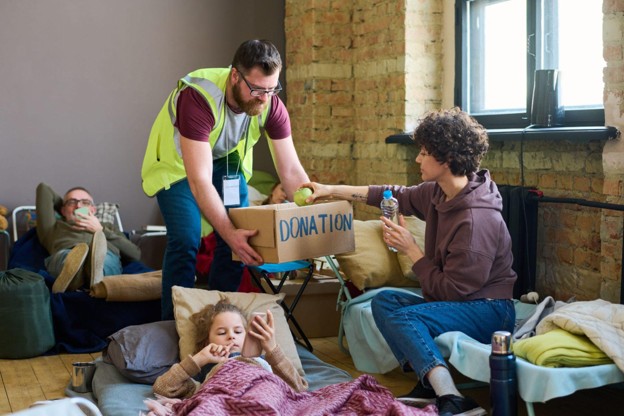
Natural disasters and unexpected emergencies can disrupt entire communities within hours. For public service professionals such as D’Andre Lampkin, whose work includes emergency management and community resilience, preparedness represents an important part of protecting residents and strengthening local support systems.
Wildfires, earthquakes, severe storms, and public health emergencies demonstrate how quickly familiar routines can change. Although emergency responders play an essential role during these events, effective preparedness also depends on residents, nonprofit organizations, businesses, and local institutions.
Building resilience requires more than developing response plans. It involves establishing relationships, improving communication, identifying vulnerabilities, and ensuring that communities have resources available before emergencies occur.
Understanding What Community Resilience Really Means
Community resilience describes the ability of neighborhoods and local institutions to prepare for disruptions, respond effectively, recover, and adapt to future challenges.
A resilient community does not necessarily avoid every emergency. Instead, it develops systems that reduce unnecessary harm and support recovery when difficult circumstances arise.
These systems include emergency communication networks, accessible public services, reliable infrastructure, and coordinated assistance programs.
Social relationships are equally important. Residents who understand available resources and maintain connections with neighbors may be better positioned to recognize emerging needs.
Preparedness becomes more effective when treated as an ongoing community responsibility rather than an activity reserved for emergencies.
Why Emergency Planning Must Begin Early
Emergency planning is most effective when organizations establish procedures before a crisis creates immediate pressure.
During an emergency, uncertainty can complicate decision-making. Transportation routes may become unavailable, communication networks may experience interruptions, and essential services may face increased demand.
Planning helps organizations identify these possibilities and consider appropriate responses.
Local preparedness efforts may include:
- Identifying potential hazards and vulnerable locations
- Establishing emergency communication procedures
- Reviewing evacuation and sheltering arrangements
- Coordinating responsibilities among participating organizations
- Conducting exercises to identify operational weaknesses
Planning cannot eliminate uncertainty, but it can provide a practical foundation for coordinated action.
Regular reviews are also necessary because community needs, infrastructure, and available resources change over time.
The Role of Public Education in Disaster Preparedness
Residents need understandable information about potential emergencies and appropriate protective actions.
Public education can help households recognize local hazards, prepare essential supplies, and establish communication arrangements.
However, distributing information does not automatically mean that residents understand or can apply it.
Effective education should account for differences in language, age, accessibility, technological familiarity, and available resources.
Workshops, neighborhood meetings, school programs, and community events can provide opportunities to discuss preparedness in practical terms.
Educational materials should explain what residents can do before, during, and after specific emergencies.
When preparedness information is accessible and relevant, individuals can make more informed decisions about their safety.
Why Strong Partnerships Matter During Emergencies
No single organization can address every challenge associated with a major disaster.
Public safety agencies, healthcare providers, schools, nonprofit organizations, businesses, and community groups possess different resources and capabilities.
Coordination allows these organizations to identify complementary responsibilities and reduce unnecessary duplication.
For example, emergency responders may focus on immediate safety needs while community organizations assist with food distribution, temporary supplies, and recovery information.
Local businesses may contribute equipment, facilities, or logistical assistance when appropriate arrangements exist.
Partnerships are more effective when participants establish relationships before an emergency.
Regular communication helps organizations understand one another’s capabilities, limitations, and operational procedures.
Identifying Residents Who May Need Additional SupportIdentifying Residents Who May Need Additional Support
Emergency preparedness should recognize that residents do not experience disasters under identical circumstances.
Older adults, people with disabilities, households with limited transportation, and individuals facing financial hardship may encounter additional barriers.
Some residents depend on medical equipment requiring electricity. Others may need assistance receiving emergency alerts or accessing transportation.
Community planning should consider these differences without assuming that every person within a particular group has identical needs.
Useful approaches include accessible communication, coordination with service providers, and voluntary neighborhood support arrangements.
Privacy and personal autonomy should remain important considerations.
Inclusive preparedness helps communities develop response systems that account for a wider range of circumstances.
Building Trust Before a Crisis Occurs
Trust influences whether residents seek information, follow official instructions, and participate in preparedness activities.
Communities may become skeptical when communication is inconsistent or when previous concerns appear unresolved.
Public agencies and community organizations can strengthen relationships through transparency, regular engagement, and clear explanations of their responsibilities.
Preparedness meetings also provide opportunities for residents to identify concerns that formal planning processes may overlook.
Listening to local experiences can reveal transportation difficulties, communication gaps, and other practical challenges.
Trust develops through sustained interaction rather than emergency messaging alone.
When relationships already exist, organizations may find it easier to coordinate information and assistance during disruptions.
How Volunteer Networks Strengthen Local Response
Volunteers can provide valuable support when their activities are appropriately organized and coordinated.
Community members may assist with preparedness education, supply distribution, administrative tasks, and recovery-related services.
However, volunteer participation requires clear expectations.
Organizations should establish suitable training, supervision, safety procedures, and communication arrangements.
Uncoordinated volunteer activity can unintentionally interfere with emergency operations or expose participants to unnecessary risks.
Effective volunteer programs identify tasks that match available skills and resources.
They also recognize that certain emergency responsibilities require specialized qualifications.
A structured approach allows community participation to complement professional response efforts.
Why Recovery Planning Deserves Equal Attention
Emergency preparedness often emphasizes immediate response, but recovery can continue long after the initial danger has passed.
Residents may face housing disruptions, employment challenges, damaged infrastructure, and difficulties accessing essential services.
Local organizations may also experience financial or operational pressures.
Recovery planning should therefore consider both short-term assistance and longer-term community needs.
Coordination between public agencies, nonprofit organizations, businesses, and residents can help identify priorities.
Transparent communication is particularly important when resources are limited or recovery timelines remain uncertain.
A community’s resilience depends partly on its ability to restore essential functions while addressing vulnerabilities revealed by the emergency.
Connecting Everyday Community Needs With ResilienceConnecting Everyday Community Needs With Resilience
Preparedness does not exist separately from ordinary community conditions.
Access to healthcare, reliable transportation, food assistance, stable housing, and educational resources can influence how residents experience disruptions.
Households already facing significant challenges may have fewer resources available for emergency preparation or recovery.
Community resilience initiatives can therefore benefit from connections with existing social service programs.
Food assistance organizations, youth programs, neighborhood associations, and healthcare providers may help identify gaps in support.
These partnerships should not replace specialized emergency management responsibilities.
Instead, they can strengthen the broader network of services that communities depend on during difficult circumstances.
Measuring Preparedness and Improving Over Time
Preparedness plans should be reviewed regularly to determine whether they remain practical.
Community exercises, training sessions, and evaluations can reveal weaknesses that are difficult to identify through written planning alone.
Organizations may assess communication effectiveness, participation levels, resource availability, and coordination procedures.
Feedback from residents can provide additional insight into accessibility and local needs.
Important evaluation questions include:
- Are emergency instructions understandable and accessible?
- Do participating organizations understand their responsibilities?
- Have community vulnerabilities changed?
- Are volunteers receiving appropriate preparation?
- What lessons emerged from previous exercises or emergencies?
Preparedness improves when findings lead to meaningful adjustments rather than remaining in reports.
Creating a Culture of Continuous Preparedness
Community resilience develops through repeated actions, not isolated campaigns.
Households can review emergency plans, organizations can maintain partnerships, and local institutions can update procedures as conditions change.
Public education and volunteer engagement can also help preparedness become a familiar part of community life.
These efforts require consistency because awareness may decline when communities experience long periods without major emergencies.
Maintaining preparedness does not mean encouraging constant concern about potential disasters.
Instead, it involves integrating practical precautions into ordinary planning and decision-making.
A community that understands its risks and resources can approach uncertainty with greater organization.
Strengthening Communities Before They Face Disruption
Effective community resilience begins with preparation, cooperation, and sustained attention to local needs.
Emergency response remains essential, but its effectiveness can be influenced by decisions made months or years before a crisis.
Public education, accessible communication, coordinated partnerships, and thoughtful recovery planning all contribute to stronger support systems.
Equally important is recognizing that resilience involves people as well as infrastructure.
When residents, organizations, and public agencies understand their responsibilities and maintain productive relationships, communities can develop more coordinated approaches to unexpected challenges.
Ultimately, preparedness is an ongoing investment in community well-being. By strengthening everyday connections and planning for potential disruptions, neighborhoods can establish a more dependable foundation for responding to emergencies and supporting recovery.